
Complete Guide
Are you looking to significantly reduce your operational costs, shrink your carbon footprint, and drive your organization towards a truly sustainable future? The convergence of the Internet of Things (IoT) and advanced energy management offers a powerful, transformative solution. This comprehensive guide delves into cutting-edge IoT energy management strategies, providing actionable insights for businesses, industries, and smart cities committed to sustainable development. Discover how real-time data, intelligent automation, and predictive analytics can revolutionize your energy consumption, optimize resource allocation, and foster a greener planet. As a professional SEO expert, we understand the critical importance of not just understanding these technologies but also implementing them effectively to achieve tangible environmental and economic benefits.
The Imperative for Sustainable Energy Management
In an era defined by climate change urgency and increasing energy demands, the global call for sustainable practices has never been louder. Traditional energy consumption models, often characterized by inefficiency and reliance on fossil fuels, contribute significantly to greenhouse gas emissions and resource depletion. Businesses and governments worldwide are recognizing that sustainability is no longer just a corporate social responsibility initiative but a strategic imperative for long-term viability and competitiveness. This shift necessitates a fundamental re-evaluation of how energy is produced, distributed, and consumed. The challenge lies in achieving economic growth while simultaneously minimizing environmental impact, a delicate balance that modern technology is uniquely positioned to address.
Bridging the Gap with IoT
The Internet of Things emerges as a pivotal technology in bridging this gap. By enabling physical objects to collect and exchange data, IoT creates an unprecedented level of visibility and control over energy systems. From smart meters in homes to complex sensor networks in industrial facilities, IoT devices provide granular, real-time insights into energy usage patterns. This data, when analyzed effectively, empowers organizations to make informed decisions, identify inefficiencies, and implement automated adjustments that lead to significant energy savings and a reduced carbon footprint. It’s about transforming passive consumption into active, intelligent management, paving the way for truly sustainable operations and contributing directly to global sustainability goals.
How IoT Revolutionizes Energy Management
IoT's transformative power in energy management stems from its ability to connect disparate systems and gather unprecedented volumes of data. This connectivity allows for a holistic approach to energy optimization, moving beyond simple efficiency measures to comprehensive, intelligent control. The core functionalities that enable this revolution include:
Real-time Monitoring and Data Analytics
- Granular Data Collection: IoT sensors deployed across facilities – on machinery, lighting systems, HVAC units, and even individual power outlets – continuously collect data on electricity consumption, temperature, humidity, and other environmental factors. This granular data provides a level of detail previously unattainable.
- Centralized Dashboards: All collected data is streamed to a central platform, often cloud-based, where it is processed and visualized through intuitive dashboards. These dashboards offer a real-time overview of energy usage across an entire enterprise or specific departments.
- Predictive Insights: Beyond mere monitoring, advanced analytics, often incorporating machine learning, identify trends, predict future consumption patterns, and detect anomalies that indicate potential waste or equipment malfunction. This allows for proactive intervention rather than reactive fixes.
Automated Control and Optimization
- Smart Automation Rules: Based on real-time data and predefined thresholds, IoT systems can automatically adjust energy-consuming devices. For example, lights can dim or turn off in unoccupied rooms, and HVAC systems can optimize heating and cooling based on occupancy and external weather conditions.
- Load Balancing: In industrial settings, IoT can help balance electrical loads to avoid peak demand charges, intelligently shifting energy-intensive tasks to off-peak hours or distributing consumption more evenly.
- Integration with Building Management Systems (BMS): IoT solutions seamlessly integrate with existing BMS, enhancing their capabilities with finer control and more precise data, leading to superior building automation and energy performance.
Predictive Maintenance and Anomaly Detection
- Early Fault Detection: By continuously monitoring the performance and energy signatures of equipment, IoT can detect subtle deviations that signal impending failures. An unusual spike in a motor's power consumption, for instance, could indicate a bearing issue before it leads to a costly breakdown.
- Optimized Maintenance Schedules: This proactive approach, often termed predictive maintenance, allows organizations to schedule maintenance based on actual equipment condition rather than fixed intervals, reducing downtime, extending asset lifespan, and preventing energy waste from inefficient machinery.
- Minimizing Unplanned Outages: By addressing issues before they escalate, IoT significantly enhances operational reliability and reduces the risk of unexpected service interruptions, which can be particularly costly in energy-intensive environments.
Renewable Energy Integration and Grid Optimization
- Enhanced Renewable Management: IoT plays a crucial role in integrating intermittent renewable energy sources like solar and wind into the grid. It helps monitor generation, predict output based on weather data, and manage storage solutions (e.g., batteries) to ensure a stable supply.
- Smart Grid Capabilities: For utilities, IoT enables the development of smart grids, allowing for two-way communication between consumers and providers. This facilitates demand-side management programs, where consumers are incentivized to reduce consumption during peak times, thereby balancing the grid and preventing blackouts.
- Microgrid Optimization: IoT is essential for managing microgrids, self-sufficient energy systems that can operate independently or connected to the main grid. It optimizes energy flow within the microgrid, prioritizing renewable sources and managing storage for resilience and efficiency.
Key IoT Strategies for Diverse Sectors
The application of IoT energy management is incredibly versatile, offering tailored solutions for various sectors, each with unique challenges and opportunities for optimization.
Commercial Buildings and Smart Cities
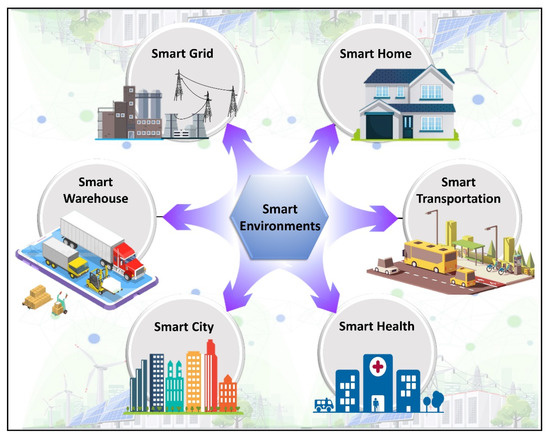
Commercial real estate is a significant energy consumer. IoT strategies here focus on optimizing HVAC, lighting, and plug loads. For instance, smart sensors can detect occupancy and ambient light levels, automatically adjusting lighting and climate control to reduce waste. Smart cities leverage IoT for intelligent street lighting (dimming lights when no movement is detected), waste management, and traffic flow optimization, all contributing to overall energy efficiency and resource optimization. Predictive analytics can identify zones with high energy leakage or areas requiring insulation upgrades.
Industrial Operations and Manufacturing
The industrial sector, particularly manufacturing, is highly energy-intensive. Industrial IoT (IIoT) solutions are paramount here. Sensors on machinery monitor energy consumption, vibration, and temperature, enabling predictive maintenance that prevents costly downtime and energy spikes from malfunctioning equipment. Process optimization through IIoT ensures that energy is used efficiently across production lines, from motors and pumps to ovens and chillers. Real-time data allows for precise control over energy-consuming processes, leading to substantial savings and improved operational output.
Residential Homes
While individual homes consume less than commercial or industrial entities, their collective impact is immense. Smart thermostats learn occupant preferences and adjust heating/cooling based on presence. Smart plugs allow users to monitor and control appliance energy usage remotely. Smart lighting systems offer automated dimming and scheduling. These consumer-friendly IoT devices empower homeowners to actively participate in energy conservation, driving down utility bills and promoting sustainable living practices at a grassroots level.
Utilities and Grid Management
For energy providers, IoT facilitates the evolution into a truly smart grid. Smart meters provide real-time consumption data, enabling accurate billing and identifying energy theft. Demand response programs, powered by IoT, allow utilities to communicate with smart devices in homes and businesses to temporarily reduce non-essential load during peak demand, stabilizing the grid and preventing the need for expensive, dirty peaker plants. This also enhances the integration of decentralized renewable energy sources, ensuring grid stability and resilience.
Benefits of Implementing IoT Energy Strategies
The adoption of IoT for energy management delivers a multifaceted array of benefits, extending beyond mere cost savings to encompass environmental stewardship and operational excellence.
Reduced Energy Consumption and Costs
This is arguably the most immediate and tangible benefit. By identifying and eliminating waste, optimizing equipment performance, and automating controls, organizations can achieve significant reductions in energy consumption. This directly translates into lower utility bills, freeing up capital for other investments or improvements. The return on investment (ROI) for IoT energy solutions can often be remarkably quick, making them an attractive proposition for financial stakeholders. For instance, a well-implemented energy efficiency program can yield double-digit percentage savings annually.
Lower Carbon Footprint and Environmental Impact
By consuming less energy, especially from fossil fuel sources, organizations significantly reduce their greenhouse gas emissions. This directly contributes to combating climate change and achieving national and international sustainability goals. Embracing IoT energy management showcases a commitment to environmental responsibility, enhancing corporate reputation and attracting environmentally conscious customers and investors. It's a clear step towards a more sustainable future, aligning business practices with ecological preservation.
Enhanced Operational Efficiency and Reliability
Beyond energy savings, IoT improves overall operational efficiency. Predictive maintenance reduces unplanned downtime, ensuring continuous operation of critical systems. Real-time monitoring provides insights into equipment health, allowing for proactive adjustments that extend asset lifespan and improve performance. This holistic approach to operational management leads to smoother processes, fewer disruptions, and greater productivity across the board. The ability to identify and rectify inefficiencies proactively is a cornerstone of modern digital transformation.
Improved Data-Driven Decision Making
The sheer volume and granularity of data collected by IoT devices empower decision-makers with unprecedented insights. Instead of relying on estimates or historical averages, managers can base their energy strategies on precise, real-time information. This leads to more effective energy policies, better resource allocation, and the ability to continuously fine-tune systems for optimal performance. The transition from reactive measures to proactive, intelligent management is a hallmark of successful IoT deployments.
Practical Steps for Implementing IoT Energy Solutions
Implementing an IoT energy management system requires careful planning and execution. Here’s a practical roadmap:
- Assessment and Planning:
- Conduct an Energy Audit: Begin with a thorough assessment of current energy consumption patterns, identifying major energy consumers and areas of waste. This baseline is crucial for measuring future savings.
- Define Clear Goals: Set specific, measurable, achievable, relevant, and time-bound (SMART) goals. Are you aiming for a 20% reduction in electricity bills, a 15% decrease in carbon emissions, or improved equipment uptime?
- Identify Key Stakeholders: Involve facility managers, IT teams, finance departments, and senior leadership to ensure buy-in and effective cross-functional collaboration.
- Technology Selection and Integration:
- Choose the Right Sensors and Devices: Select IoT sensors and smart devices appropriate for your specific needs (e.g., smart meters, temperature sensors, current transducers, occupancy sensors). Consider factors like accuracy, battery life, connectivity protocols (Wi-Fi, LoRaWAN, cellular), and ease of installation.
- Select an IoT Platform: A robust IoT platform is essential for data ingestion, processing, storage, and visualization. Look for platforms with strong analytics capabilities, customizable dashboards, and secure data management.
- Ensure Interoperability: Prioritize solutions that can integrate with your existing infrastructure, such as building management systems (BMS), SCADA systems, or enterprise resource planning (ERP) software. Open APIs and standardized protocols are key.
- Data Collection and Analysis:
- Deploy and Connect Devices: Install the chosen IoT sensors and devices and ensure they are properly connected to your network and the IoT platform.
- Configure Data Streams: Set up the platform to collect, clean, and store data from all connected devices.
- Develop Analytics and Reporting: Configure dashboards, reports, and alerts to provide actionable insights. Utilize predictive analytics and machine learning models to uncover hidden patterns and forecast future energy needs.
- Continuous Optimization and Monitoring:
- Implement Automated Controls: Configure rules for automated adjustments based on real-time data and predefined thresholds.
- Regularly Review Performance: Continuously monitor energy consumption and system performance against your defined goals. Identify new opportunities for optimization.
- Iterate and Refine: Energy management is an ongoing process. Use insights gained to refine strategies, update automation rules, and explore new technologies as they emerge. Consider ongoing training for your team to maximize the benefits of the system.
Overcoming Challenges in IoT Energy Management
While the benefits are compelling, implementing IoT energy management solutions isn't without its hurdles. Addressing these proactively is crucial for success.
Data Security and Privacy Concerns
IoT systems involve collecting vast amounts of data, some of which may be sensitive. Ensuring the security of this data from cyber threats and maintaining privacy compliance (e.g., GDPR, CCPA) is paramount. Robust encryption, secure network protocols, access controls, and regular security audits are essential. Investing in secure IoT devices and platforms from reputable vendors is a critical first step. Learn more about IoT security best practices.
Interoperability and Standardization
The IoT landscape is fragmented, with numerous vendors, protocols, and platforms. Ensuring that different devices and systems can communicate seamlessly (interoperability) can be a significant challenge. Adhering to industry standards (e.g., BACnet for building automation, OPC UA for industrial automation) and selecting open-source or highly flexible platforms can mitigate this issue. Strategic partnerships with integration experts can also be beneficial.
Initial Investment and ROI Justification
The upfront cost of deploying an IoT energy management system, including sensors, hardware, software, and installation, can be substantial. Justifying this investment requires a clear demonstration of the potential return on investment (ROI) through projected energy savings, reduced maintenance costs, and improved operational efficiency. Developing a detailed business case with realistic financial projections is vital for securing executive buy-in.
Skill Gaps and Training
Managing and optimizing IoT energy systems requires a new set of skills, including data analytics, network management, and understanding of specific IoT platforms. Organizations may face a shortage of personnel with these specialized skills. Investing in training existing staff or hiring new talent with relevant expertise is crucial for maximizing the effectiveness of the deployed solutions. Consider exploring certifications in digital transformation and IoT analytics.
The Future of IoT in Sustainable Energy
The trajectory of IoT in energy management is one of continuous innovation. We are rapidly moving towards more intelligent, autonomous, and interconnected energy ecosystems. The integration of Artificial Intelligence (AI) and Machine Learning (ML) will further enhance predictive capabilities, allowing systems to learn and adapt to changing conditions with minimal human intervention. Edge computing will enable faster, more localized data processing, reducing latency and enhancing responsiveness for critical applications like demand response.
Blockchain technology is also poised to play a role, offering secure and transparent platforms for peer-to-peer energy trading, especially in microgrids and for managing renewable energy credits. As connectivity becomes more ubiquitous and affordable, expect to see even more granular monitoring and control, extending to individual appliances and power outlets, driving us closer to a truly optimized and sustainable energy future. The emphasis will shift from mere efficiency to complete energy autonomy and resilience, with IoT as the foundational backbone.
Frequently Asked Questions
What is IoT energy management?
IoT energy management refers to the use of Internet of Things (IoT) devices and platforms to monitor, analyze, and control energy consumption in real-time. It involves deploying smart sensors, meters, and actuators that collect data on energy usage from various sources (e.g., buildings, machinery, appliances). This data is then transmitted to a central system, often cloud-based, where it is analyzed to identify inefficiencies, predict consumption patterns, and automate energy-saving adjustments. The goal is to optimize energy use, reduce operational costs, and lower the carbon footprint, contributing significantly to sustainability.
How does IoT contribute to sustainable development?
IoT contributes to sustainable development primarily by enabling significant improvements in energy efficiency and resource optimization. By providing real-time data and automation capabilities, IoT helps organizations and individuals reduce their energy consumption, especially from fossil fuels, thereby lowering greenhouse gas emissions. It also facilitates the integration of renewable energy sources into the grid, promotes predictive maintenance to extend asset lifespan, and supports circular economy principles through better resource tracking. This leads to a smaller environmental impact, more efficient use of natural resources, and progress towards global sustainability goals.
What are the key components of an IoT energy management system?
A typical IoT energy management system comprises several key components. Firstly, there are IoT devices and sensors (e.g., smart meters, temperature sensors, occupancy sensors, current transducers) that collect data from energy-consuming assets. Secondly, a connectivity layer (e.g., Wi-Fi, LoRaWAN, cellular, Ethernet) transmits this data. Thirdly, an IoT platform (often cloud-based) acts as the central hub for data ingestion, storage, processing, and management. Fourthly, data analytics and visualization tools (including AI/ML algorithms) derive actionable insights from the collected data. Finally, actuators and control systems enable automated adjustments to optimize energy usage, such as smart thermostats or lighting controls. These components work together to provide comprehensive energy oversight and control.

0 Komentar