
Safeguarding Your Business: The Essential Guide to Data Loss Prevention Software for Small Businesses
In today's digital-first economy, the lifeblood of any small business is its data. From customer records and financial information to proprietary designs and intellectual property, this sensitive information is a prime target for malicious actors and accidental exposure alike. Ignoring the critical need for robust data security is no longer an option; it's a direct path to devastating data breaches, hefty regulatory fines, and irreparable damage to your brand reputation. This comprehensive guide, crafted by an SEO expert, will demystify data loss prevention software for small businesses, explaining why it's not just for enterprise giants and how it can be your most vital shield against the ever-present threat of information compromise.
Why Small Businesses Can't Afford to Ignore Data Loss Prevention
Many small and medium-sized enterprises (SMEs) operate under the dangerous misconception that they are too small to be targeted by cybercriminals. The reality is starkly different. SMEs are often seen as easier targets, with less sophisticated cybersecurity infrastructure and fewer dedicated IT resources. A single data breach can be catastrophic, leading to financial ruin, legal repercussions, and a complete loss of customer trust. Beyond external threats, internal vulnerabilities – human error, negligence, or even malicious insider actions – account for a significant percentage of data loss incidents.
The Escalating Threat Landscape for SMEs
The digital age has amplified the risks. Small businesses routinely handle personally identifiable information (PII), protected health information (PHI), and payment card industry (PCI) data. This makes them subject to a growing web of compliance regulations like GDPR, HIPAA, CCPA, and many others, which carry severe penalties for non-compliance. Failing to protect this data can result in significant regulatory fines that small businesses simply cannot absorb. Moreover, the cost of responding to a breach – including forensic investigations, legal fees, public relations, and credit monitoring for affected individuals – can easily push a small business into bankruptcy. Proactive measures, such as implementing effective data loss prevention software, are no longer a luxury but a fundamental requirement for survival and sustainable growth.
What Exactly is Data Loss Prevention (DLP) Software?
At its core, Data Loss Prevention (DLP) software is a set of tools and processes designed to ensure that sensitive data does not leave the organizational network, whether accidentally or maliciously. It identifies, monitors, and protects data in use (e.g., when an employee is working with it), data in motion (e.g., when it's being transmitted over networks), and data at rest (e.g., when it's stored on servers, endpoints, or in the cloud). Think of DLP as an intelligent guardian that understands what your critical data is, where it resides, and how it’s being used, ensuring it stays within defined boundaries.
A robust DLP solution helps small businesses enforce data handling policies, prevent unauthorized access, and mitigate the risk of data breaches. It's not just about preventing data from being stolen; it's also about preventing data from being inadvertently shared, copied, or deleted. This holistic approach to information safeguarding is crucial for maintaining operational integrity and meeting stringent compliance obligations. Many modern DLP tools for SMEs are designed with ease of use in mind, often featuring intuitive dashboards and simplified policy creation to reduce the burden on limited IT staff.
Key Capabilities of Effective DLP Solutions for Small Businesses
When evaluating DLP software for small businesses, look for solutions that offer a combination of the following essential capabilities:
- Content Inspection and Classification: The ability to accurately identify and classify sensitive information based on content (e.g., credit card numbers, social security numbers, keywords, regular expressions) or context (e.g., source, user, application). This is the foundation of effective data protection.
- Endpoint DLP: Monitors and controls data movement on individual devices (laptops, desktops, mobile devices). This prevents data from being copied to USB drives, printed, sent via unauthorized email, or uploaded to unapproved cloud services. This is critical for protecting data accessed by remote workers.
- Network DLP: Scans network traffic to prevent sensitive data from leaving the organization via email, web uploads, FTP, or other network protocols. This provides a crucial layer of defense for data in transit.
- Cloud DLP: As more small businesses leverage cloud services (SaaS, IaaS), Cloud DLP extends protection to data stored in or transmitted through platforms like Google Drive, Microsoft 365, Dropbox, and Salesforce. This ensures cloud security is maintained.
- Reporting and Analytics: Provides insights into data flow, policy violations, and potential risks. Comprehensive dashboards and audit trails are essential for demonstrating compliance and identifying areas for improvement in your data security posture.
- Policy Enforcement: Automatically enforces predefined rules, such as blocking sensitive emails, encrypting files, or alerting administrators to suspicious activities. This proactive enforcement prevents data loss before it occurs.
Choosing the Right Data Loss Prevention Software for Your Small Business
Selecting the ideal data loss prevention software for small businesses requires careful consideration of several factors unique to your operational size and needs. It’s not about finding the most feature-rich enterprise solution, but rather the one that offers the best balance of protection, usability, and affordability for your specific environment.
Essential Considerations Before Implementation
- Assess Your Data and Risk Profile: Before even looking at software, understand what sensitive information your business handles, where it resides (on-premise, cloud, endpoints), and who has access to it. Conduct a thorough data mapping exercise. What are your biggest vulnerabilities? Is it customer PII, financial records, or intellectual property?
- Budget Constraints: Small businesses operate with tighter budgets. Look for DLP solutions designed specifically for SMEs, which often offer tiered pricing, cloud-based deployments (SaaS DLP), or even freemium models for basic protection. Consider the total cost of ownership, including implementation, maintenance, and potential employee training.
- Ease of Use and Management: You likely don't have a dedicated cybersecurity team. Choose a DLP solution with an intuitive interface, simplified policy creation, and minimal ongoing management requirements. Solutions that offer a managed service option can be highly beneficial, offloading the burden of expertise.
- Scalability: As your business grows, your DLP solution should be able to scale with you, accommodating more users, devices, and data sources without requiring a complete overhaul.
- Integration with Existing Systems: Does the DLP software integrate seamlessly with your existing email systems, cloud platforms, and other security infrastructure (e.g., firewalls, identity and access control solutions)? Good integration reduces complexity and improves overall effectiveness.
- Vendor Support and Reputation: Research the vendor's reputation, customer support, and track record. For a small business, reliable support is paramount when issues arise.
Implementation Best Practices for SMEs
Once you’ve chosen your DLP solution for small businesses, successful implementation is key. Here are some best practices:
- Phased Rollout: Don't try to protect everything at once. Start by identifying your most critical data and highest-risk areas, and implement DLP policies for those first. This allows you to learn, refine policies, and minimize disruption.
- Define Clear Policies: Work with your team to establish clear, actionable data handling policies. What data is sensitive? Who can access it? How can it be shared? These policies will directly inform your DLP rules.
- User Training and Awareness: This is perhaps the most crucial step. Even the best DLP software can be undermined by human error. Conduct regular, engaging employee training sessions on cybersecurity awareness, data handling best practices, and the importance of DLP. Explain why these measures are in place, not just what they are.
- Regular Review and Adjustment: The threat landscape and your business operations are constantly evolving. Regularly review your DLP policies and software performance. Are there new data types? New ways employees share information? Adjust your DLP strategy accordingly.
- Integrate with Incident Response: Your DLP software should be an integral part of your overall incident response plan. Know what alerts it generates, who receives them, and what steps to take when a violation occurs.
Beyond Software: A Holistic Approach to Data Protection
While data loss prevention software for small businesses is a powerful tool, it's essential to understand that it's just one component of a comprehensive data security strategy. A truly resilient defense against data breaches involves a multi-layered approach.
Think of DLP as a critical gatekeeper, but other elements act as the walls, guards, and alarm systems of your digital fortress. Strong access controls ensure that only authorized personnel can view, modify, or transmit sensitive information. This includes implementing the principle of least privilege, where employees only have access to the data necessary for their job functions. Regular security audits and vulnerability assessments help identify weaknesses in your network and applications before they can be exploited by cyber threats.
Furthermore, an effective risk management framework allows small businesses to identify, assess, and mitigate potential data loss risks proactively. This includes evaluating third-party vendor security, ensuring secure configurations of all IT assets, and having robust data backup and recovery procedures in place. In the event of a data loss incident, knowing you can quickly restore critical information minimizes downtime and operational impact. Ultimately, investing in data loss prevention software is a strategic move that enhances your overall cybersecurity posture, protects your valuable assets, and builds trust with your customers and partners in an increasingly data-driven world.
Frequently Asked Questions
What is the primary benefit of DLP for a small business?
The primary benefit of data loss prevention software for small businesses is the proactive safeguarding of sensitive information against accidental exposure, malicious insider threats, and external data breaches. It helps prevent financial losses, protects brand reputation, and ensures compliance with critical data protection regulations, thereby avoiding costly regulatory fines. Ultimately, it provides peace of mind by minimizing the risk of devastating data incidents.
Is DLP software difficult for non-technical staff to manage?
While some enterprise DLP solutions can be complex, many modern DLP solutions for small businesses are designed with user-friendliness in mind. They often feature intuitive dashboards, pre-configured templates, and simplified policy creation to reduce the burden on limited IT resources. Cloud-based (SaaS) DLP options are particularly easy to deploy and manage, often requiring minimal technical expertise. Additionally, many vendors offer excellent support and managed DLP services to assist non-technical staff.
How does DLP help with regulatory compliance?
DLP software is a crucial tool for achieving and maintaining compliance with data protection regulations like GDPR, HIPAA, and CCPA. It helps by automatically identifying, monitoring, and controlling the flow of regulated sensitive information (e.g., PII, PHI). DLP solutions provide audit trails and reporting capabilities that demonstrate due diligence in protecting data, which is often a key requirement for regulatory adherence. By preventing unauthorized data transfers, DLP directly mitigates the risk of non-compliance and associated regulatory fines.
Can DLP prevent all types of data breaches?
While data loss prevention software significantly reduces the risk of data breaches, no single solution can guarantee 100% prevention against all types of threats. DLP is highly effective against accidental data leaks, insider threats, and unauthorized data exfiltration attempts. However, it needs to be part of a broader cybersecurity strategy that includes robust firewalls, strong access controls, regular security updates, comprehensive employee training on cybersecurity awareness, and a well-defined incident response plan. It's a powerful layer of defense, not a standalone magic bullet.
What's the typical cost of DLP software for a small business?
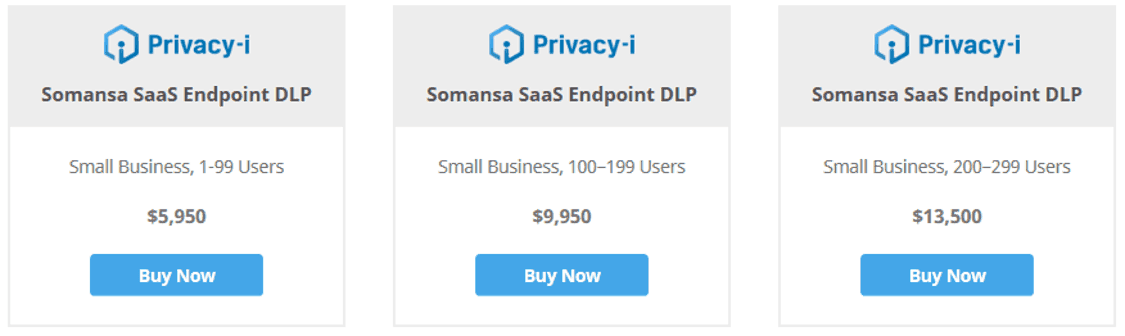
The cost of DLP software for small businesses varies widely depending on factors like the number of users, features included, deployment model (on-premise vs. cloud), and vendor. Basic cloud-based DLP services might start from $5-$15 per user per month, while more comprehensive solutions could range higher. Some vendors offer tiered pricing or packages specifically tailored for SMEs, making it more affordable than enterprise-grade systems. It's important to consider the return on investment (ROI) by weighing the software cost against the potential financial and reputational damage of a data breach.

0 Komentar