
What is Proof of Stake? A Deep Dive into Blockchain's Energy-Efficient Consensus Mechanism
Are you looking to understand the fundamental shift happening in the world of blockchain and cryptocurrency? Dive into the core of Proof of Stake (PoS), an innovative blockchain consensus mechanism that's reshaping how digital transactions are validated and secured. This comprehensive guide will demystify PoS, explaining its intricate workings, significant advantages, and why it's becoming the preferred choice for many next-generation decentralized networks, including Ethereum's monumental transition. Discover how PoS offers a more sustainable and scalable future for distributed ledger technology, moving beyond the energy-intensive methods of the past.
Understanding the Core Principles of Proof of Stake
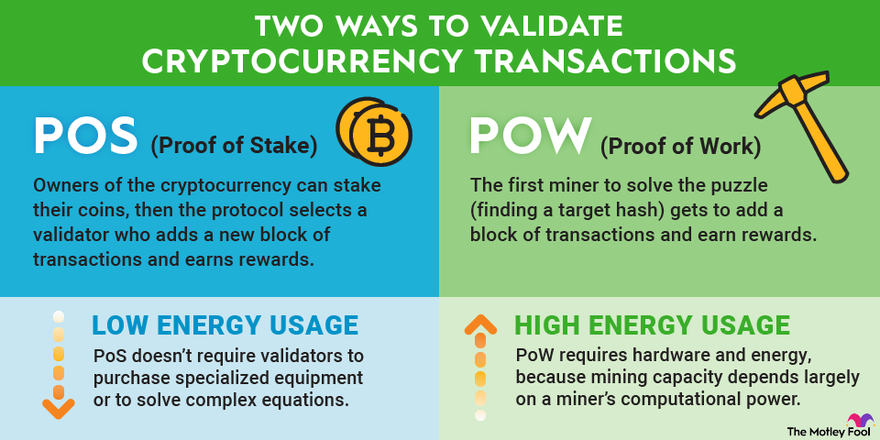
At its heart, Proof of Stake is a method for securing a cryptocurrency network and achieving distributed consensus. Unlike its predecessor, Proof of Work (PoW), which relies on computational power and complex puzzle-solving (mining), PoS selects validators based on the amount of cryptocurrency they are willing to "stake" or lock up as collateral. This economic commitment acts as a powerful incentive for honest behavior and a deterrent against malicious activities.
The concept is elegantly simple: the more stake a participant holds, the higher their chances of being chosen to validate new transactions and add them to the blockchain. This system fundamentally changes the economics of network security, shifting from an arms race of computing power to a system of economic alignment and reputation.
The Role of Validators and the Staking Process
In a Proof of Stake system, participants who wish to contribute to the network's security and earn rewards are known as validators. To become a validator, an individual or entity must commit a certain amount of the network's native cryptocurrency as a stake. This stake serves as a bond, ensuring that validators act in the best interest of the network.
- Staking: This involves locking up a specific quantity of cryptocurrency in a smart contract. This act signals the participant's willingness to validate transactions and secure the network. The amount required to stake can vary significantly between different PoS blockchains. For instance, Ethereum 2.0 requires 32 ETH to run a full validator node, while other networks might have lower or higher thresholds.
- Validator Responsibilities: Once staked, validators are responsible for performing crucial network functions. These include verifying new transactions, proposing new blocks to be added to the blockchain, and ensuring the integrity of the ledger. They essentially take on the role that miners play in Proof of Work systems.
- Slashing: A critical security feature in PoS is "slashing." If a validator behaves maliciously (e.g., attempts to double-spend, validates invalid transactions) or fails to maintain their node's uptime (being offline), a portion of their staked cryptocurrency can be confiscated or "slashed." This provides a strong financial disincentive against dishonest or negligent behavior, protecting the network's integrity.
How Block Production and Validation Occur in PoS
The process of adding new blocks to the blockchain in a PoS system is a fascinating blend of random selection and economic incentive. It ensures that the network remains decentralized and secure without relying on energy-intensive computations.
- Validator Selection: Instead of competing to solve cryptographic puzzles, validators are chosen to propose the next block through a pseudo-random selection process. This selection often takes into account factors like the amount of cryptocurrency staked, the duration for which it has been staked (sometimes called "coin age"), and a randomized element to prevent predictability and centralization.
- Block Proposal: The selected validator proposes a new block containing a batch of verified transactions. This block is then broadcast to the rest of the network.
- Block Validation: Other validators on the network verify the proposed block. They check the validity of the transactions within it and ensure that the block adheres to the network's rules. If a supermajority of validators (e.g., two-thirds) agree that the block is valid, it is then added to the blockchain.
- Staking Rewards: For their successful participation in proposing and validating blocks, validators receive staking rewards. These rewards typically come in the form of newly minted cryptocurrency or transaction fees collected from the block. This economic incentive encourages participation and secures the network.
Key Advantages of Proof of Stake
The shift towards Proof of Stake is driven by several compelling advantages that address some of the significant challenges faced by Proof of Work systems.
Superior Energy Efficiency
Perhaps the most widely discussed advantage of PoS is its drastically lower energy consumption. Unlike PoW, which requires vast amounts of electricity to power computational mining rigs, PoS doesn't rely on competitive computing. Validators simply "vote" with their stake. This makes PoS significantly more environmentally friendly, aligning with global efforts to reduce carbon footprints. For context, the Ethereum network's move to PoS (The Merge) reduced its energy consumption by over 99.9%.
Enhanced Scalability Potential
Proof of Stake offers inherent advantages when it comes to scalability solutions. Because block production doesn't involve energy-intensive mining, PoS networks can potentially process more transactions per second (TPS). This is crucial for mainstream adoption of blockchain technology, as applications like decentralized finance (DeFi) and Web3 require high transaction throughput. PoS also facilitates the implementation of scaling solutions like sharding more effectively, where the network is divided into smaller, more manageable segments to process transactions in parallel.
Robust Network Security Through Economic Alignment
While PoW relies on the cost of computing power to secure the network, PoS leverages an economic security model. A 51% attack, where a malicious entity controls a majority of the network, is significantly more expensive and less practical in a PoS system. To launch such an attack, an attacker would need to acquire 51% of the total staked cryptocurrency, which would be incredibly costly and would drive up the price of the asset, making the attack even more expensive. Furthermore, if the attack were successful and the network's integrity compromised, the value of their own staked assets would plummet, resulting in a direct financial loss for the attacker. This self-correcting economic incentive strongly discourages malicious behavior.
Improved Decentralization and Accessibility
While some argue about the concentration of stake, PoS can potentially lead to greater decentralization over time by lowering the barrier to entry for participation. Anyone with the minimum required stake can become a validator or delegate their stake to a validator, rather than needing specialized hardware and cheap electricity. This fosters a more inclusive ecosystem, allowing more participants to contribute to the network's security and governance. For insights into how this impacts governance, explore resources on decentralized autonomous organizations (DAOs).
Proof of Stake vs. Proof of Work: A Core Distinction
To fully appreciate PoS, it's essential to understand its fundamental differences from Proof of Work, the consensus mechanism that powers Bitcoin and, until recently, Ethereum.
Fundamental Differences in Consensus Mechanisms
- Resource Consumption: PoW is highly resource-intensive, requiring specialized hardware (ASICs) and consuming vast amounts of electricity. PoS is significantly more efficient, relying on staked capital rather than computational power.
- Security Model: PoW's security relies on the computational cost of mining and the difficulty of altering past blocks. PoS's security is derived from the economic stake of validators and the slashing mechanism, creating a strong financial disincentive for dishonesty.
- Centralization Concerns: In PoW, mining pools can lead to centralization of hashing power. In PoS, the concentration of stake can be a concern, but many PoS designs include mechanisms to promote decentralization, such as random validator selection and delegated staking.
- Transaction Finality: PoS chains can often achieve faster transaction finality compared to PoW chains, where transactions are considered final after a certain number of block confirmations.
The Evolution of Consensus Mechanisms
The development of Proof of Stake represents a significant evolution in blockchain consensus mechanism design. While PoW was revolutionary in its ability to create a trustless, decentralized digital currency, its environmental impact and scalability limitations became increasingly apparent as blockchain technology matured. PoS emerged as a response to these challenges, offering a more sustainable and efficient path forward for distributed ledger technology, paving the way for more complex and high-throughput applications beyond simple value transfer. Understanding this evolution is key to grasping the future of cryptographic security in digital networks.
Practical Aspects of Staking
For individuals interested in participating in Proof of Stake networks, understanding the practicalities of staking is crucial. It's an opportunity to earn passive income while supporting a decentralized network.
Choosing a Staking Platform or Validator
If you're considering staking your cryptocurrency, you have several options:
- Running Your Own Validator Node: This offers the highest degree of control and typically the highest potential rewards, but it requires technical expertise, dedicated hardware, and often a significant minimum stake (e.g., 32 ETH for Ethereum). You are solely responsible for maintaining uptime and security.
- Delegated Staking (Liquid Staking): Many PoS networks allow you to delegate your stake to a professional validator or staking pool without giving up custody of your assets. This is more user-friendly and requires a smaller capital commitment. You pay a small commission to the validator for their services. Examples include Lido Finance or Rocket Pool for Ethereum.
- Centralized Exchange Staking: Major cryptocurrency exchanges (e.g., Coinbase, Binance) offer staking services, often with very low minimums. This is the easiest option, but it means entrusting your assets to a third party and typically results in lower returns due to higher fees.
When choosing, consider factors like the validator's reputation, uptime history, commission fees, and the overall security practices of the platform. Always do your due diligence before committing your assets.
Risks and Rewards of Staking
Staking, while potentially lucrative, comes with its own set of risks:
- Slashing Risk: As mentioned, validators can lose a portion of their staked assets if they act maliciously or fail to maintain their node. If you delegate your stake, you might also be subject to slashing if your chosen validator misbehaves.
- Illiquidity: Staked assets are often locked up for a certain period (unbonding period), during which they cannot be traded or moved. This can be problematic if you need immediate access to your funds or if the market experiences a sudden downturn.
- Validator Performance: If you delegate, your rewards depend on your chosen validator's performance. A poorly performing validator (low uptime) will yield fewer rewards.
- Smart Contract Risk: Staking often involves interacting with smart contracts, which can have vulnerabilities.
- Price Volatility: The value of your staked cryptocurrency can fluctuate significantly. Even if you earn rewards, a drop in the asset's price could negate those gains.
Despite the risks, the rewards can be substantial, offering a way to earn passive income and contribute to the security and decentralization of your favorite blockchain networks. Typical Annual Percentage Yields (APYs) for staking can range from 3% to 15% or more, depending on the network and market conditions. This makes staking an attractive option for long-term holders of certain cryptocurrencies.
Delegated Proof of Stake (DPoS) and Other Variations
It's important to note that Proof of Stake isn't a monolithic concept; there are several variations:
- Delegated Proof of Stake (DPoS): Popularized by networks like EOS and Tron, DPoS allows token holders to vote for a limited number of "delegates" or "witnesses" who then validate transactions. This can lead to faster block times and higher throughput but might also introduce a degree of centralization due to the smaller set of active validators.
- Bonded Proof of Stake (BPoS): Similar to standard PoS, but often with additional mechanisms for securing the network or punishing bad actors.
- Nominated Proof of Stake (NPoS): Used by Polkadot, NPoS allows token holders (nominators) to back specific validators. Rewards are distributed proportionally, and nominators share in slashing risks, encouraging careful selection of validators.
These variations demonstrate the flexibility and ongoing innovation within the PoS ecosystem, each tailored to specific network goals and priorities.
The Future of Blockchain with Proof of Stake
Proof of Stake is not just a theoretical concept; it's actively shaping the future of blockchain technology. Its adoption by major networks signals a clear direction for the industry.
Ethereum's Transition: The Merge
Perhaps the most significant real-world implementation of PoS is Ethereum's transition from PoW to PoS, famously known as "The Merge." Completed in September 2022, this monumental upgrade saw the Ethereum mainnet merge with the Beacon Chain (its PoS consensus layer). This transition dramatically reduced Ethereum's energy footprint, laying the groundwork for future scalability upgrades like sharding, which will further enhance its transaction processing capabilities. The success of The Merge has validated the viability and benefits of large-scale PoS implementations, influencing other projects and contributing to the overall maturity of the cryptocurrency network landscape.
Broader Industry Adoption and Innovation
Beyond Ethereum, numerous prominent blockchain networks already utilize or are transitioning to Proof of Stake, including Cardano, Solana, Polkadot, Avalanche, and Tezos. This widespread adoption underscores the industry's confidence in PoS as a robust, scalable, and sustainable consensus mechanism. As more projects embrace PoS, we can expect continued innovation in validator selection algorithms, staking reward distribution, and mechanisms to enhance decentralization and security. The ongoing research and development in this area are critical for the long-term success and mass adoption of decentralized finance (DeFi) and Web3 applications.
Frequently Asked Questions
What is the minimum amount to stake?
The minimum amount required to stake varies significantly depending on the specific Proof of Stake blockchain network. For example, to run a full validator node on Ethereum (post-Merge), you need 32 ETH. However, many networks allow for much smaller amounts, especially through delegated staking or centralized exchange staking services, where you can often stake as little as a few dollars worth of the native cryptocurrency. Always check the specific requirements of the network or platform you intend to use.
Can I lose my staked assets?
Yes, it is possible to lose a portion of your staked assets. This typically occurs through a mechanism called "slashing," which is designed to punish validators for malicious behavior (e.g., double-signing blocks, colluding) or severe negligence (e.g., extended downtime). If you are delegating your stake to a validator, you may also be subject to slashing if your chosen validator misbehaves, though some platforms offer insurance or guarantees against this. Additionally, the market price of your staked cryptocurrency can decline, leading to a loss in fiat value, even if you are earning staking rewards.
How often are staking rewards paid out?
The frequency of staking reward payouts depends entirely on the specific blockchain network and the staking platform or service you are using. Some networks distribute rewards daily, others weekly, monthly, or even per block. For instance, on Ethereum, rewards are continuously accrued and distributed to validators, typically becoming claimable at certain intervals. Centralized exchanges often pay out rewards on a weekly or monthly basis. It's crucial to review the terms and conditions of your chosen staking method to understand the reward distribution schedule.
What is "slashing"?
Slashing is a critical security feature in Proof of Stake systems designed to penalize validators who act dishonestly or fail to meet their network responsibilities. When a validator is "slashed," a portion of their staked cryptocurrency is confiscated by the network. This mechanism serves as a strong financial deterrent against malicious activities like attempting to validate invalid transactions, double-signing blocks (proposing two different blocks for the same slot), or being offline for extended periods. The threat of slashing encourages validators to maintain high integrity and uptime, thereby securing the network.
Is Proof of Stake truly decentralized?
The decentralization of Proof of Stake networks is a complex and often debated topic. While PoS eliminates the need for specialized mining hardware and reduces energy consumption, concerns can arise regarding the potential for stake concentration. If a small number of entities control a large percentage of the total staked cryptocurrency, it could theoretically lead to centralization of power. However, many PoS protocols employ various mechanisms to promote decentralization, such as randomized validator selection, delegated staking models that allow smaller holders to participate, and regular software updates to prevent monopolies. The ongoing development in PoS aims to continuously enhance network decentralization and resilience.

0 Komentar